

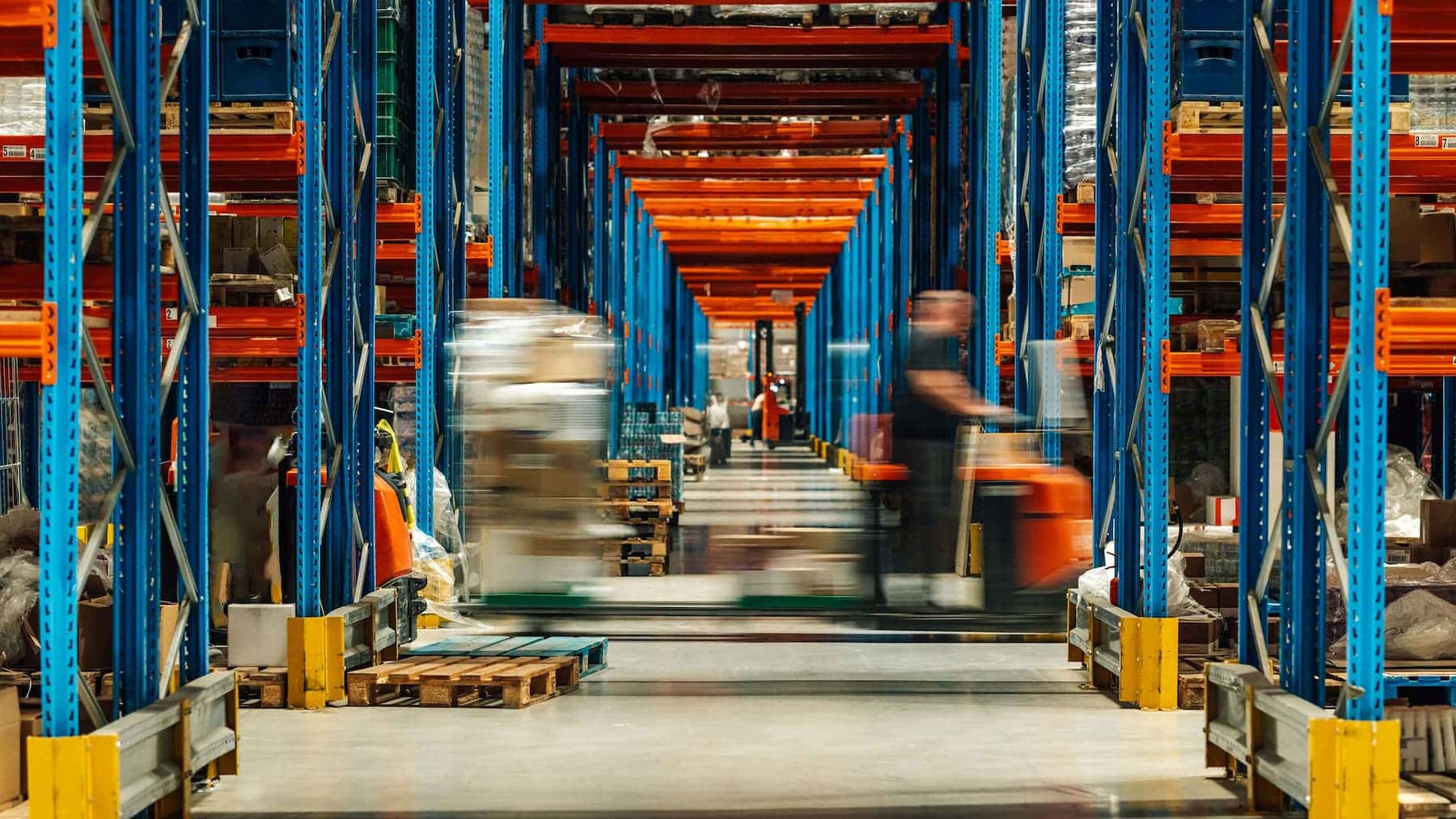
Warehousing for Program Sequencing, Control, and Readiness
Warehousing stops being simple once inventory is tied to downstream work that can’t move. Early arrivals, late releases, and changing site readiness and release all turn storage into an active decision point—not a place to wait things out.
Beltmann has the experience to keep timing, condition, access, and sequencing under control so stored assets don’t create problems later. Warehousing is managed as a control layer within the broader program, not as passive square footage. When that control slips, installs are delayed, schedules drift, and teams lose confidence in where things are and whether they’re ready to go.
Capability OVERVIEW
Storage that actively facilitate projects
Warehousing provides structured staging, and inspection so inventory stays aligned with real timelines instead of becoming a bottleneck. It’s integrated with transportation, inventory management, and downstream work to keep assets ready, accessible, and released in the right order.

Receiving, Inspection, and Intake Control
Inbound assets are checked against what was expected—not just what showed up. Counts, condition, and discrepancies are identified immediately so issues are handled early, when they’re still manageable.
Access, Security, and Chain-of-Custody Controls
Restricted access areas, controlled entry, and documented movement protect high-value or sensitive items. Short-term exceptions are avoided so temporary workarounds don’t turn into permanent exposure.
Sequenced Staging and Internal Movement
Inventory is staged based on when it needs to deliver, not when it arrived. Internal moves are planned and intentional, supporting phased releases, install schedules, and site readiness instead of reacting to space pressure.
Inventory Accuracy and Visibility
Item locations are actively managed so system records match physical reality. Inventory remains traceable even as assets are repositioned for staging or partial releases, supported by TotalTRAK® visibility.
Condition Preservation and Handling Discipline
Assets are protected while in storage through proper placement, limited handling, and rewrapping when needed. Most damage happens after transit, and this discipline reduces unnecessary risk.
Value & Benefits
Fewer subsequent delays
Assets are released when sites are actually ready, avoiding stalled installs and idle crews.
Lower coordination load for internal teams
Teams are not forced to chase inventory answers or reconcile conflicting reports.
Reduced damage and rework
Condition issues are caught early and handling is minimized, preventing last-minute replacements.
Greater executive confidence
Leadership can trust that stored assets are accounted for, protected, and ready when needed—without surprises.
Predictable sequencing under pressure
Phased releases hold together even when schedules shift or volumes change.
Proven
PERFORMANCE
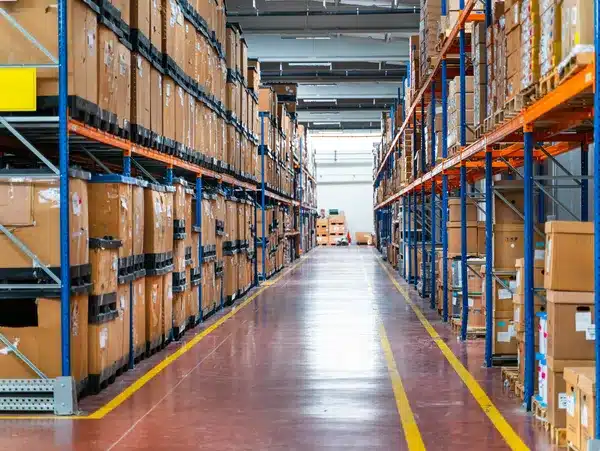
Phased Program with Early Vendor Shipments
Assets arrived well ahead of site readiness and were staged by release order. Planned internal moves supported each phase without reshuffling or last-minute workarounds.

Delayed Construction Impacting Inventory Duration
When site delays extended storage timelines, assets were reconditioned, rewrapped, and restaged to maintain condition and accessibility without disrupting future releases.

Multi-Site Rollout with Mixed Release Schedules
Inventory was divided and staged by site and phase, allowing parallel releases while maintaining accurate counts and visibility across locations.
Frequently Asked Questions
Warehousing that Keeps Projects on Track
When stored assets are tied to timelines, installs, or phased rollouts, this capability provides the control and visibility needed to keep work moving without failures.