


Inventory Management for Complex, Moving Environments
Inventory only looks simple when nothing is moving. Once assets start flowing through multiple hands, locations, and timelines, accuracy gets fragile fast. Small gaps show up early—but the consequences usually hit much later, when schedules are tight and options are limited.
This capability exists to keep control as inventory moves through warehouses, trucks, and live sites. Inventory Management acts as a control layer that maintains a single, reliable version of what exists, where it is, and what state it’s in. Without that layer, visibility erodes quietly, issues surface too late, and installs, timelines, and credibility start to slip.
Capability OVERVIEW
Control over inventory as it moves—not just where it sits
Inventory Management focuses on tracking, verifying, and sequencing assets as they transition across storage, transport, and active environments. The work is less about counting and more about continuity—keeping information accurate through every handoff so downstream execution doesn’t stall, compress, or unravel.

Intake Discipline & Asset Identification
Control starts at the moment inventory is received. Items are identified, tagged, and documented correctly so there’s a clean baseline before anything moves. Misses here don’t stay small—they compound as inventory flows through the supply chain.
Sequencing & Release Control
Inventory is released based on actual site readiness, not pressure or convenience. Holding items back when needed prevents early arrivals that clog space, increase damage risk, or disappear before install.
Handoff Control Across Teams
Inventory changes hands constantly—warehouse crews, drivers, site teams. Each handoff is a chance for confusion. This capability puts structure around check-in and check-out moments so assets don’t drift or get moved without visibility.
Condition Verification & Documentation
Condition is verified and documented at key points along the way. Photos and records aren’t about blame—they create clarity, shorten resolution time, and keep teams focused on fixing issues instead of debating when they happened.
Field-Level Inventory Tracking
Once inventory hits an active site, conditions get unpredictable. Items are staged, relocated, or accessed after hours. Field-level tracking routines keep visibility intact even when environments are live and constantly shifting.
Value & Benefits
Fewer Installation Delays
Accurate inventory keeps crews working instead of waiting when install windows are tight.
Clearer Reporting Under Pressure
Consistent inventory reporting gives teams confidence and prevents escalations driven by uncertainty.
Less Schedule Compression
When items arrive in the right order, downstream work doesn’t need to rush to recover lost time.
Protected Program Credibility
When lists match reality, stakeholders trust the plan—and stop questioning readiness.
Lower Rework and Replacement Costs
Early condition checks and controlled handling reduce damage claims, reorders, and last-minute fixes.
Proven
PERFORMANCE
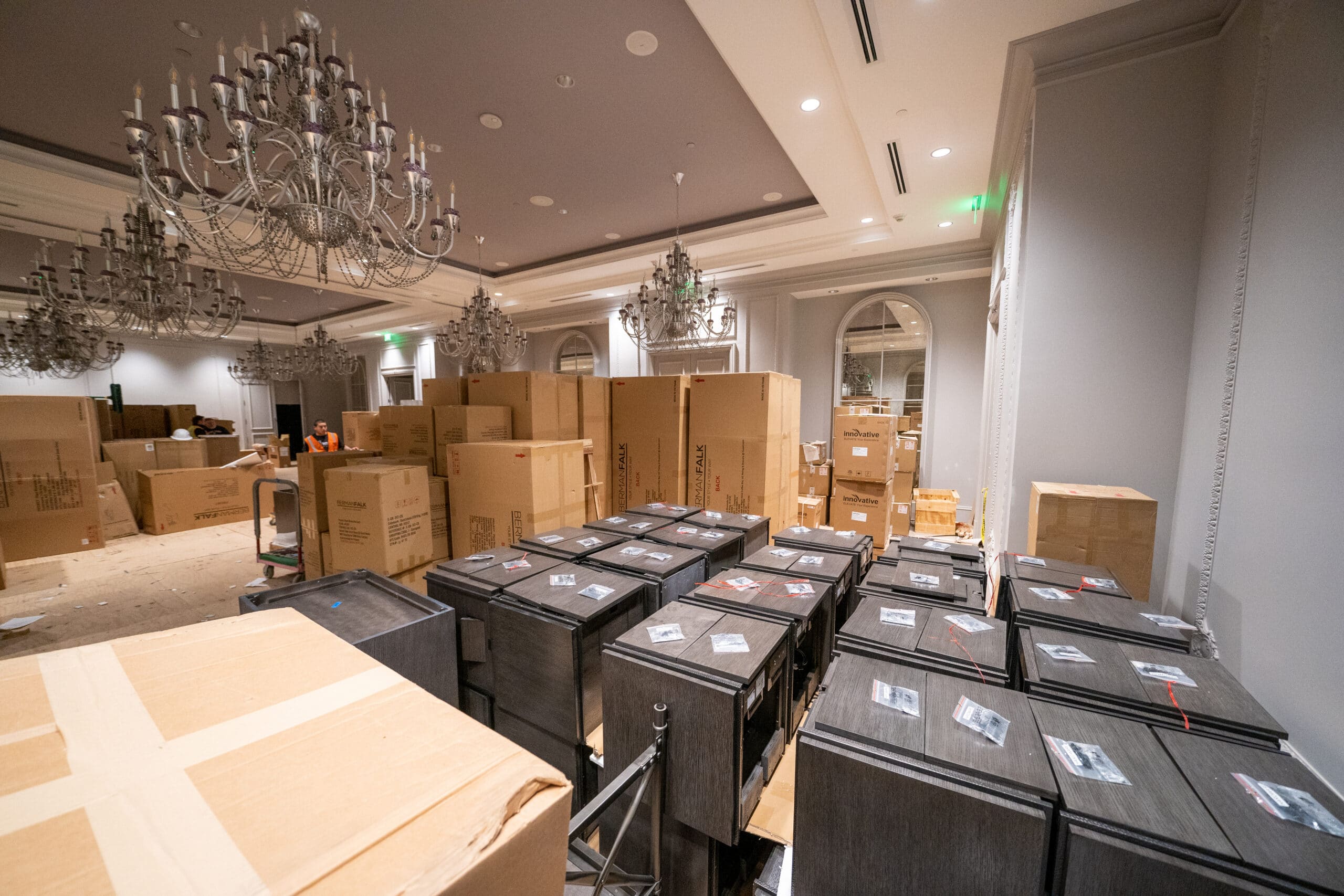
Active-Site Staging Environment
Field inventory routines maintained visibility as assets were staged in hallways and rooms during off-hours, preventing loss and confusion ahead of installation.

Condition Dispute Avoidance
Documented condition checks at intake and release eliminated debates over when damage occurred, allowing faster resolution and smoother schedule recovery.

Office Furniture Assessment
Assessment of furniture for reconfiguration purposes and disposition
Frequently Asked Questions
Inventory Control That Protects Downstream Execution
When timelines are tight and environments are active, disciplined inventory management keeps work moving and prevents small gaps from turning into big problems.